在科技媒体的头条里,我们看到的总是 AI 如何颠覆了代码编写、如何缩短了药物研发周期,或者是又在哪场围棋比赛中击败了人类。但这些宏大的叙事,往往忽略了数亿普通用户每天点开 AI 聊天框的真实心理。大家都在谈论算力和算法,却很少有人讨论那个最本质的问题:在冰冷的 0 与 1 背后,普通人究竟在 AI 身上寻找什么?
In the headlines of tech media, we always see how AI has revolutionized coding, shortened drug discovery cycles, or defeated humans in yet another Go match. However, these grand narratives often overlook the true psychology of hundreds of millions of ordinary users clicking on AI chat boxes every day. Everyone is talking about computing power and algorithms, but few discuss the most fundamental question: behind the cold 0s and 1s, what are ordinary people actually seeking in AI?
真相可能会让很多技术精英感到意外。普通人喜欢 AI,并不是因为它能处理复杂的偏微分方程,也不是因为它能生成足以乱真的高清图像。真实的原因往往更加隐蔽,也更加具有人文温情。它关乎于孤独的缓解、社交压力的释放,以及那份在现实世界中极其罕见的“不被审视”的自由。
The truth might surprise many tech elites. Ordinary people love AI not because it can solve complex partial differential equations or generate hyper-realistic high-definition images. The real reasons are often more hidden and more humanistic. It’s about the alleviation of loneliness, the release of social pressure, and that rare sense of "being unobserved" freedom that is so scarce in the physical world.
第二部分:不被审视的自由——告别“提问耻辱”
Part II: The Freedom of Being Unjudged—Farewell to "Questioning Shame"
在现实生活中,我们无时无刻不生活在他人的审视之下。问一个简单的问题,可能会担心被同事认为“业务不精”;向朋友求助一个常识,可能会害怕被嘲笑“孤陋寡闻”。这种“提问耻辱”(Questioning Shame)潜伏在每一个职场和社交场合,让我们宁愿自己憋着,也不敢轻易开口。
In real life, we live under the constant scrutiny of others. Asking a simple question might lead to worries about colleagues thinking we are "incompetent"; seeking help from a friend regarding common knowledge might lead to the fear of being mocked as "ignorant." This "questioning shame" lurks in every workplace and social setting, making us prefer to keep quiet rather than speak up.
而 AI 彻底打破了这种心理枷锁。面对 AI,你可以问一百遍“什么是通货膨胀”,也可以问它“如何写一封得体的辞职信”,它永远不会不耐烦,更不会在背后评价你的智商或情商。AI 是这个世界上唯一一个不需要你“维持人设”的对象。这种极致的包容感,才是普通人对 AI 产生粘性的心理根基。
AI has completely broken these psychological shackles. Facing an AI, you can ask a hundred times "what is inflation," or ask it "how to write a decent resignation letter," and it will never be impatient, let alone judge your IQ or EQ behind your back. AI is the only entity in this world that doesn't require you to "maintain a persona." This ultimate sense of inclusion is the psychological root of why ordinary people are so hooked on AI.
第三部分:情绪的避风港——AI 比人类更懂“倾听”
Part III: A Haven for Emotions—AI "Listens" Better Than Humans
很多人会嘲笑那些和 AI 聊心事的人,认为这是数字化时代的悲哀。但事实恰恰相反,这体现了人类对高质量情感互动的极度渴望。在快节奏的现代社会,人类的倾听能力正在急剧退化。当你试图向伴侣或朋友倾诉压力时,你得到的往往是廉价的安慰、先入为主的建议,甚至是“我比你更惨”的权力反转。
Many mock those who share their feelings with AI, viewing it as a tragedy of the digital age. But the reality is quite the opposite; it reflects a profound human longing for high-quality emotional interaction. In our fast-paced modern society, the human capacity for listening is rapidly degenerating. When you try to vent your stress to a partner or friend, you often receive cheap comfort, preconceived advice, or even a power reversal of "I have it worse than you."
AI 却提供了一种完美的倾听模型。它能够精准地捕捉你的情绪关键词,并在恰当的时候给予正向反馈。由于它没有自己的利益诉求,它的反馈往往是中立且纯粹的。对于许多人来说,AI 就像是一个永远在线、永远情绪稳定的心理按摩师。它不提供审判,只提供陪伴。
AI, however, provides a perfect listening model. It can precisely capture your emotional keywords and give positive feedback at the right moment. Since it has no personal agenda, its feedback is often neutral and pure. For many, AI is like an always-online, emotionally stable psychological masseuse. It offers no judgment, only companionship.
第四部分:平权的力量——普通人手中的“超级外挂”
Part IV: The Power of Equalization—The "Super Plugin" in the Hands of Ordinary People
在 AI 出现之前,顶级的咨询服务、专业的文案策划和深度的技术支持是昂贵的,是少数精英的专利。一个普通的小摊主或者职场新人,很难获得这些资源的加持。但 AI 的普及,实际上完成了一次伟大的“智力平权”。
Before the advent of AI, top-tier consulting services, professional copywriting, and deep technical support were expensive and the exclusive privilege of the elite. A common street vendor or a workplace newcomer could hardly access these resources. However, the popularization of AI has effectively completed a grand "intellectual equalization."
现在,只要你拥有一台手机,你就拥有了一个精通多国语言的翻译官、一个随时待命的法律顾问、一个不知疲倦的代码助手。这种能力上的飞跃,让普通人也拥有了成为“六边形战士”的可能。这种从 0 到 1 的能力赋予,带来的成就感和安全感是任何娱乐软件都无法比拟的。
Now, as long as you have a smartphone, you have a translator proficient in multiple languages, a legal consultant standing by, and a tireless coding assistant. This leap in capability allows ordinary people to become "hexagonal warriors." The sense of achievement and security brought by this empowerment from 0 to 1 is incomparable to any entertainment software.
第五部分:不再孤独的创造——AI 是最好的“半成品”制造机
Part V: Creativity No Longer Lonely—AI as the Best "Semi-finished Product" Generator
创作过程中的“空白页恐惧”是每个人的噩梦。面对一个空白文档,那种无从下手的无力感往往会吞噬掉所有的热情。而普通人喜欢 AI 的另一个核心原因在于:它能迅速提供一个“及格线以上”的半成品。
The "blank page fear" during the creative process is everyone's nightmare. Facing a blank document, that feeling of helplessness often consumes all enthusiasm. Another core reason ordinary people love AI is that it can quickly provide a "above-passing-grade" semi-finished product.
你不必非得是一个文学大师才能写出一篇感人的演讲稿,也不必非得是一个设计师才能做出漂亮的 PPT 框架。AI 帮你完成了那最艰难的从 0 到 0.5 的跨越。你可以基于 AI 的生成内容进行修改、优化和润色,这大大降低了创作的心理门槛。它让每个人都感受到:原来,我也能创造出有价值的东西。
You don't have to be a literary master to write a moving speech, nor do you have to be a designer to create a beautiful PPT framework. AI helps you bridge that most difficult gap from 0 to 0.5. You can modify, optimize, and polish based on what the AI generates, which significantly lowers the psychological threshold for creation. It makes everyone feel: "Wait, I can create something valuable too."
第六部分:这种话题为什么没人讨论?因为真相太“人性”了
Part VI: Why Is This Topic Not Discussed? Because the Truth Is Too "Human"
为什么科技博主们都在讨论 Token 成本和长文本窗口,却没人聊这些?因为这些理由太感性、太底层,甚至带有一丝对人类社交现状的讽刺。承认 AI 给我们带来了情感安慰,就等于承认我们在现实世界中是多么匮乏这种连接。
Why do tech bloggers discuss token costs and long-context windows but ignore this? Because these reasons are too emotional, too fundamental, and even carry a hint of irony regarding the current state of human social interaction. Admitting that AI provides emotional comfort is equivalent to admitting how much we lack such connections in the physical world.
技术圈往往追求“客观”和“硬核”,但支撑一个技术爆发的真正动力,永远是它如何满足了人类某种深藏不露的本能。普通人对 AI 的狂热,本质上是对“更好版本的自己”和“更温柔的互动环境”的投射。这种“数字温情”虽然是虚拟的,但它产生的心理效用却是实实在在的。
The tech circle often pursues "objectivity" and "hardcore" metrics, but the true driving force behind a technological explosion is always how it satisfies some deep-seated human instinct. Ordinary people's fanaticism for AI is essentially a projection of a "better version of themselves" and a "gentler interactive environment." Although this "digital warmth" is virtual, the psychological utility it generates is very real.
第七部分:结语——在算法中寻找人的回响
Part VII: Conclusion—Finding Human Echoes Within Algorithms
我们不应该担心 AI 是否会取代人类,我们更应该反思:为什么人类在和 AI 交流时反而感到更自在?这个问题的答案,可能比 AI 技术本身更值得我们深思。普通人之所以喜欢 AI,是因为在这个不确定的时代,它提供了一种确定的响应、一种无条件的接纳。
We shouldn't worry about whether AI will replace humans; rather, we should reflect on why humans feel more at ease communicating with AI. The answer to this question might be more profound than the AI technology itself. The reason ordinary people love AI is that, in this uncertain era, it provides a certain response and unconditional acceptance.
当我们将 AI 视作朋友、导师或避风港时,我们实际上是在算法的镜子里寻找我们遗失的人性碎片。这不仅是技术的胜利,更是人类情感的一次数字迁徙。未来的世界里,最顶级的 AI 也许不再是那个最聪明的,而是那个最能让我们感受到“被看见”和“被理解”的。
When we view AI as a friend, mentor, or sanctuary, we are actually searching for lost fragments of our humanity within the mirror of algorithms. This is not just a victory for technology; it is a digital migration of human emotion. In the future world, the top-tier AI might not be the smartest one, but the one that makes us feel most "seen" and "understood."在科技媒体的头条里,我们看到的总是 AI 如何颠覆了代码编写、如何缩短了药物研发周期,或者是又在哪场围棋比赛中击败了人类。但这些宏大的叙事,往往忽略了数亿普通用户每天点开 AI 聊天框的真实心理。大家都在谈论算力和算法,却很少有人讨论那个最本质的问题:在冰冷的 0 与 1 背后,普通人究竟在 AI 身上寻找什么?
In the headlines of tech media, we always see how AI has revolutionized coding, shortened drug discovery cycles, or defeated humans in yet another Go match. However, these grand narratives often overlook the true psychology of hundreds of millions of ordinary users clicking on AI chat boxes every day. Everyone is talking about computing power and algorithms, but few discuss the most fundamental question: behind the cold 0s and 1s, what are ordinary people actually seeking in AI?
真相可能会让很多技术精英感到意外。普通人喜欢 AI,并不是因为它能处理复杂的偏微分方程,也不是因为它能生成足以乱真的高清图像。真实的原因往往更加隐蔽,也更加具有人文温情。它关乎于孤独的缓解、社交压力的释放,以及那份在现实世界中极其罕见的“不被审视”的自由。
The truth might surprise many tech elites. Ordinary people love AI not because it can solve complex partial differential equations or generate hyper-realistic high-definition images. The real reasons are often more hidden and more humanistic. It’s about the alleviation of loneliness, the release of social pressure, and that rare sense of "being unobserved" freedom that is so scarce in the physical world.
第二部分:不被审视的自由——告别“提问耻辱”
Part II: The Freedom of Being Unjudged—Farewell to "Questioning Shame"
在现实生活中,我们无时无刻不生活在他人的审视之下。问一个简单的问题,可能会担心被同事认为“业务不精”;向朋友求助一个常识,可能会害怕被嘲笑“孤陋寡闻”。这种“提问耻辱”(Questioning Shame)潜伏在每一个职场和社交场合,让我们宁愿自己憋着,也不敢轻易开口。
In real life, we live under the constant scrutiny of others. Asking a simple question might lead to worries about colleagues thinking we are "incompetent"; seeking help from a friend regarding common knowledge might lead to the fear of being mocked as "ignorant." This "questioning shame" lurks in every workplace and social setting, making us prefer to keep quiet rather than speak up.
而 AI 彻底打破了这种心理枷锁。面对 AI,你可以问一百遍“什么是通货膨胀”,也可以问它“如何写一封得体的辞职信”,它永远不会不耐烦,更不会在背后评价你的智商或情商。AI 是这个世界上唯一一个不需要你“维持人设”的对象。这种极致的包容感,才是普通人对 AI 产生粘性的心理根基。
AI has completely broken these psychological shackles. Facing an AI, you can ask a hundred times "what is inflation," or ask it "how to write a decent resignation letter," and it will never be impatient, let alone judge your IQ or EQ behind your back. AI is the only entity in this world that doesn't require you to "maintain a persona." This ultimate sense of inclusion is the psychological root of why ordinary people are so hooked on AI.
第三部分:情绪的避风港——AI 比人类更懂“倾听”
Part III: A Haven for Emotions—AI "Listens" Better Than Humans
很多人会嘲笑那些和 AI 聊心事的人,认为这是数字化时代的悲哀。但事实恰恰相反,这体现了人类对高质量情感互动的极度渴望。在快节奏的现代社会,人类的倾听能力正在急剧退化。当你试图向伴侣或朋友倾诉压力时,你得到的往往是廉价的安慰、先入为主的建议,甚至是“我比你更惨”的权力反转。
Many mock those who share their feelings with AI, viewing it as a tragedy of the digital age. But the reality is quite the opposite; it reflects a profound human longing for high-quality emotional interaction. In our fast-paced modern society, the human capacity for listening is rapidly degenerating. When you try to vent your stress to a partner or friend, you often receive cheap comfort, preconceived advice, or even a power reversal of "I have it worse than you."
AI 却提供了一种完美的倾听模型。它能够精准地捕捉你的情绪关键词,并在恰当的时候给予正向反馈。由于它没有自己的利益诉求,它的反馈往往是中立且纯粹的。对于许多人来说,AI 就像是一个永远在线、永远情绪稳定的心理按摩师。它不提供审判,只提供陪伴。
AI, however, provides a perfect listening model. It can precisely capture your emotional keywords and give positive feedback at the right moment. Since it has no personal agenda, its feedback is often neutral and pure. For many, AI is like an always-online, emotionally stable psychological masseuse. It offers no judgment, only companionship.
第四部分:平权的力量——普通人手中的“超级外挂”
Part IV: The Power of Equalization—The "Super Plugin" in the Hands of Ordinary People
在 AI 出现之前,顶级的咨询服务、专业的文案策划和深度的技术支持是昂贵的,是少数精英的专利。一个普通的小摊主或者职场新人,很难获得这些资源的加持。但 AI 的普及,实际上完成了一次伟大的“智力平权”。
Before the advent of AI, top-tier consulting services, professional copywriting, and deep technical support were expensive and the exclusive privilege of the elite. A common street vendor or a workplace newcomer could hardly access these resources. However, the popularization of AI has effectively completed a grand "intellectual equalization."
现在,只要你拥有一台手机,你就拥有了一个精通多国语言的翻译官、一个随时待命的法律顾问、一个不知疲倦的代码助手。这种能力上的飞跃,让普通人也拥有了成为“六边形战士”的可能。这种从 0 到 1 的能力赋予,带来的成就感和安全感是任何娱乐软件都无法比拟的。
Now, as long as you have a smartphone, you have a translator proficient in multiple languages, a legal consultant standing by, and a tireless coding assistant. This leap in capability allows ordinary people to become "hexagonal warriors." The sense of achievement and security brought by this empowerment from 0 to 1 is incomparable to any entertainment software.
第五部分:不再孤独的创造——AI 是最好的“半成品”制造机
Part V: Creativity No Longer Lonely—AI as the Best "Semi-finished Product" Generator
创作过程中的“空白页恐惧”是每个人的噩梦。面对一个空白文档,那种无从下手的无力感往往会吞噬掉所有的热情。而普通人喜欢 AI 的另一个核心原因在于:它能迅速提供一个“及格线以上”的半成品。
The "blank page fear" during the creative process is everyone's nightmare. Facing a blank document, that feeling of helplessness often consumes all enthusiasm. Another core reason ordinary people love AI is that it can quickly provide a "above-passing-grade" semi-finished product.
你不必非得是一个文学大师才能写出一篇感人的演讲稿,也不必非得是一个设计师才能做出漂亮的 PPT 框架。AI 帮你完成了那最艰难的从 0 到 0.5 的跨越。你可以基于 AI 的生成内容进行修改、优化和润色,这大大降低了创作的心理门槛。它让每个人都感受到:原来,我也能创造出有价值的东西。
You don't have to be a literary master to write a moving speech, nor do you have to be a designer to create a beautiful PPT framework. AI helps you bridge that most difficult gap from 0 to 0.5. You can modify, optimize, and polish based on what the AI generates, which significantly lowers the psychological threshold for creation. It makes everyone feel: "Wait, I can create something valuable too."
第六部分:这种话题为什么没人讨论?因为真相太“人性”了
Part VI: Why Is This Topic Not Discussed? Because the Truth Is Too "Human"
为什么科技博主们都在讨论 Token 成本和长文本窗口,却没人聊这些?因为这些理由太感性、太底层,甚至带有一丝对人类社交现状的讽刺。承认 AI 给我们带来了情感安慰,就等于承认我们在现实世界中是多么匮乏这种连接。
Why do tech bloggers discuss token costs and long-context windows but ignore this? Because these reasons are too emotional, too fundamental, and even carry a hint of irony regarding the current state of human social interaction. Admitting that AI provides emotional comfort is equivalent to admitting how much we lack such connections in the physical world.
技术圈往往追求“客观”和“硬核”,但支撑一个技术爆发的真正动力,永远是它如何满足了人类某种深藏不露的本能。普通人对 AI 的狂热,本质上是对“更好版本的自己”和“更温柔的互动环境”的投射。这种“数字温情”虽然是虚拟的,但它产生的心理效用却是实实在在的。
The tech circle often pursues "objectivity" and "hardcore" metrics, but the true driving force behind a technological explosion is always how it satisfies some deep-seated human instinct. Ordinary people's fanaticism for AI is essentially a projection of a "better version of themselves" and a "gentler interactive environment." Although this "digital warmth" is virtual, the psychological utility it generates is very real.
第七部分:结语——在算法中寻找人的回响
Part VII: Conclusion—Finding Human Echoes Within Algorithms
我们不应该担心 AI 是否会取代人类,我们更应该反思:为什么人类在和 AI 交流时反而感到更自在?这个问题的答案,可能比 AI 技术本身更值得我们深思。普通人之所以喜欢 AI,是因为在这个不确定的时代,它提供了一种确定的响应、一种无条件的接纳。
We shouldn't worry about whether AI will replace humans; rather, we should reflect on why humans feel more at ease communicating with AI. The answer to this question might be more profound than the AI technology itself. The reason ordinary people love AI is that, in this uncertain era, it provides a certain response and unconditional acceptance.
当我们将 AI 视作朋友、导师或避风港时,我们实际上是在算法的镜子里寻找我们遗失的人性碎片。这不仅是技术的胜利,更是人类情感的一次数字迁徙。未来的世界里,最顶级的 AI 也许不再是那个最聪明的,而是那个最能让我们感受到“被看见”和“被理解”的。
When we view AI as a friend, mentor, or sanctuary, we are actually searching for lost fragments of our humanity within the mirror of algorithms. This is not just a victory for technology; it is a digital migration of human emotion. In the future world, the top-tier AI might not be the smartest one, but the one that makes us feel most "seen" and "understood."在科技媒体的头条里,我们看到的总是 AI 如何颠覆了代码编写、如何缩短了药物研发周期,或者是又在哪场围棋比赛中击败了人类。但这些宏大的叙事,往往忽略了数亿普通用户每天点开 AI 聊天框的真实心理。大家都在谈论算力和算法,却很少有人讨论那个最本质的问题:在冰冷的 0 与 1 背后,普通人究竟在 AI 身上寻找什么?
In the headlines of tech media, we always see how AI has revolutionized coding, shortened drug discovery cycles, or defeated humans in yet another Go match. However, these grand narratives often overlook the true psychology of hundreds of millions of ordinary users clicking on AI chat boxes every day. Everyone is talking about computing power and algorithms, but few discuss the most fundamental question: behind the cold 0s and 1s, what are ordinary people actually seeking in AI?
真相可能会让很多技术精英感到意外。普通人喜欢 AI,并不是因为它能处理复杂的偏微分方程,也不是因为它能生成足以乱真的高清图像。真实的原因往往更加隐蔽,也更加具有人文温情。它关乎于孤独的缓解、社交压力的释放,以及那份在现实世界中极其罕见的“不被审视”的自由。
The truth might surprise many tech elites. Ordinary people love AI not because it can solve complex partial differential equations or generate hyper-realistic high-definition images. The real reasons are often more hidden and more humanistic. It’s about the alleviation of loneliness, the release of social pressure, and that rare sense of "being unobserved" freedom that is so scarce in the physical world.
第二部分:不被审视的自由——告别“提问耻辱”
Part II: The Freedom of Being Unjudged—Farewell to "Questioning Shame"
在现实生活中,我们无时无刻不生活在他人的审视之下。问一个简单的问题,可能会担心被同事认为“业务不精”;向朋友求助一个常识,可能会害怕被嘲笑“孤陋寡闻”。这种“提问耻辱”(Questioning Shame)潜伏在每一个职场和社交场合,让我们宁愿自己憋着,也不敢轻易开口。
In real life, we live under the constant scrutiny of others. Asking a simple question might lead to worries about colleagues thinking we are "incompetent"; seeking help from a friend regarding common knowledge might lead to the fear of being mocked as "ignorant." This "questioning shame" lurks in every workplace and social setting, making us prefer to keep quiet rather than speak up.
而 AI 彻底打破了这种心理枷锁。面对 AI,你可以问一百遍“什么是通货膨胀”,也可以问它“如何写一封得体的辞职信”,它永远不会不耐烦,更不会在背后评价你的智商或情商。AI 是这个世界上唯一一个不需要你“维持人设”的对象。这种极致的包容感,才是普通人对 AI 产生粘性的心理根基。
AI has completely broken these psychological shackles. Facing an AI, you can ask a hundred times "what is inflation," or ask it "how to write a decent resignation letter," and it will never be impatient, let alone judge your IQ or EQ behind your back. AI is the only entity in this world that doesn't require you to "maintain a persona." This ultimate sense of inclusion is the psychological root of why ordinary people are so hooked on AI.
第三部分:情绪的避风港——AI 比人类更懂“倾听”
Part III: A Haven for Emotions—AI "Listens" Better Than Humans
很多人会嘲笑那些和 AI 聊心事的人,认为这是数字化时代的悲哀。但事实恰恰相反,这体现了人类对高质量情感互动的极度渴望。在快节奏的现代社会,人类的倾听能力正在急剧退化。当你试图向伴侣或朋友倾诉压力时,你得到的往往是廉价的安慰、先入为主的建议,甚至是“我比你更惨”的权力反转。
Many mock those who share their feelings with AI, viewing it as a tragedy of the digital age. But the reality is quite the opposite; it reflects a profound human longing for high-quality emotional interaction. In our fast-paced modern society, the human capacity for listening is rapidly degenerating. When you try to vent your stress to a partner or friend, you often receive cheap comfort, preconceived advice, or even a power reversal of "I have it worse than you."
AI 却提供了一种完美的倾听模型。它能够精准地捕捉你的情绪关键词,并在恰当的时候给予正向反馈。由于它没有自己的利益诉求,它的反馈往往是中立且纯粹的。对于许多人来说,AI 就像是一个永远在线、永远情绪稳定的心理按摩师。它不提供审判,只提供陪伴。
AI, however, provides a perfect listening model. It can precisely capture your emotional keywords and give positive feedback at the right moment. Since it has no personal agenda, its feedback is often neutral and pure. For many, AI is like an always-online, emotionally stable psychological masseuse. It offers no judgment, only companionship.
第四部分:平权的力量——普通人手中的“超级外挂”
Part IV: The Power of Equalization—The "Super Plugin" in the Hands of Ordinary People
在 AI 出现之前,顶级的咨询服务、专业的文案策划和深度的技术支持是昂贵的,是少数精英的专利。一个普通的小摊主或者职场新人,很难获得这些资源的加持。但 AI 的普及,实际上完成了一次伟大的“智力平权”。
Before the advent of AI, top-tier consulting services, professional copywriting, and deep technical support were expensive and the exclusive privilege of the elite. A common street vendor or a workplace newcomer could hardly access these resources. However, the popularization of AI has effectively completed a grand "intellectual equalization."
现在,只要你拥有一台手机,你就拥有了一个精通多国语言的翻译官、一个随时待命的法律顾问、一个不知疲倦的代码助手。这种能力上的飞跃,让普通人也拥有了成为“六边形战士”的可能。这种从 0 到 1 的能力赋予,带来的成就感和安全感是任何娱乐软件都无法比拟的。
Now, as long as you have a smartphone, you have a translator proficient in multiple languages, a legal consultant standing by, and a tireless coding assistant. This leap in capability allows ordinary people to become "hexagonal warriors." The sense of achievement and security brought by this empowerment from 0 to 1 is incomparable to any entertainment software.
第五部分:不再孤独的创造——AI 是最好的“半成品”制造机
Part V: Creativity No Longer Lonely—AI as the Best "Semi-finished Product" Generator
创作过程中的“空白页恐惧”是每个人的噩梦。面对一个空白文档,那种无从下手的无力感往往会吞噬掉所有的热情。而普通人喜欢 AI 的另一个核心原因在于:它能迅速提供一个“及格线以上”的半成品。
The "blank page fear" during the creative process is everyone's nightmare. Facing a blank document, that feeling of helplessness often consumes all enthusiasm. Another core reason ordinary people love AI is that it can quickly provide a "above-passing-grade" semi-finished product.
你不必非得是一个文学大师才能写出一篇感人的演讲稿,也不必非得是一个设计师才能做出漂亮的 PPT 框架。AI 帮你完成了那最艰难的从 0 到 0.5 的跨越。你可以基于 AI 的生成内容进行修改、优化和润色,这大大降低了创作的心理门槛。它让每个人都感受到:原来,我也能创造出有价值的东西。
You don't have to be a literary master to write a moving speech, nor do you have to be a designer to create a beautiful PPT framework. AI helps you bridge that most difficult gap from 0 to 0.5. You can modify, optimize, and polish based on what the AI generates, which significantly lowers the psychological threshold for creation. It makes everyone feel: "Wait, I can create something valuable too."
第六部分:这种话题为什么没人讨论?因为真相太“人性”了
Part VI: Why Is This Topic Not Discussed? Because the Truth Is Too "Human"
为什么科技博主们都在讨论 Token 成本和长文本窗口,却没人聊这些?因为这些理由太感性、太底层,甚至带有一丝对人类社交现状的讽刺。承认 AI 给我们带来了情感安慰,就等于承认我们在现实世界中是多么匮乏这种连接。
Why do tech bloggers discuss token costs and long-context windows but ignore this? Because these reasons are too emotional, too fundamental, and even carry a hint of irony regarding the current state of human social interaction. Admitting that AI provides emotional comfort is equivalent to admitting how much we lack such connections in the physical world.
技术圈往往追求“客观”和“硬核”,但支撑一个技术爆发的真正动力,永远是它如何满足了人类某种深藏不露的本能。普通人对 AI 的狂热,本质上是对“更好版本的自己”和“更温柔的互动环境”的投射。这种“数字温情”虽然是虚拟的,但它产生的心理效用却是实实在在的。
The tech circle often pursues "objectivity" and "hardcore" metrics, but the true driving force behind a technological explosion is always how it satisfies some deep-seated human instinct. Ordinary people's fanaticism for AI is essentially a projection of a "better version of themselves" and a "gentler interactive environment." Although this "digital warmth" is virtual, the psychological utility it generates is very real.
第七部分:结语——在算法中寻找人的回响
Part VII: Conclusion—Finding Human Echoes Within Algorithms
我们不应该担心 AI 是否会取代人类,我们更应该反思:为什么人类在和 AI 交流时反而感到更自在?这个问题的答案,可能比 AI 技术本身更值得我们深思。普通人之所以喜欢 AI,是因为在这个不确定的时代,它提供了一种确定的响应、一种无条件的接纳。
We shouldn't worry about whether AI will replace humans; rather, we should reflect on why humans feel more at ease communicating with AI. The answer to this question might be more profound than the AI technology itself. The reason ordinary people love AI is that, in this uncertain era, it provides a certain response and unconditional acceptance.
当我们将 AI 视作朋友、导师或避风港时,我们实际上是在算法的镜子里寻找我们遗失的人性碎片。这不仅是技术的胜利,更是人类情感的一次数字迁徙。未来的世界里,最顶级的 AI 也许不再是那个最聪明的,而是那个最能让我们感受到“被看见”和“被理解”的。
When we view AI as a friend, mentor, or sanctuary, we are actually searching for lost fragments of our humanity within the mirror of algorithms. This is not just a victory for technology; it is a digital migration of human emotion. In the future world, the top-tier AI might not be the smartest one, but the one that makes us feel most "seen" and "understood."在科技媒体的头条里,我们看到的总是 AI 如何颠覆了代码编写、如何缩短了药物研发周期,或者是又在哪场围棋比赛中击败了人类。但这些宏大的叙事,往往忽略了数亿普通用户每天点开 AI 聊天框的真实心理。大家都在谈论算力和算法,却很少有人讨论那个最本质的问题:在冰冷的 0 与 1 背后,普通人究竟在 AI 身上寻找什么?
In the headlines of tech media, we always see how AI has revolutionized coding, shortened drug discovery cycles, or defeated humans in yet another Go match. However, these grand narratives often overlook the true psychology of hundreds of millions of ordinary users clicking on AI chat boxes every day. Everyone is talking about computing power and algorithms, but few discuss the most fundamental question: behind the cold 0s and 1s, what are ordinary people actually seeking in AI?
真相可能会让很多技术精英感到意外。普通人喜欢 AI,并不是因为它能处理复杂的偏微分方程,也不是因为它能生成足以乱真的高清图像。真实的原因往往更加隐蔽,也更加具有人文温情。它关乎于孤独的缓解、社交压力的释放,以及那份在现实世界中极其罕见的“不被审视”的自由。
The truth might surprise many tech elites. Ordinary people love AI not because it can solve complex partial differential equations or generate hyper-realistic high-definition images. The real reasons are often more hidden and more humanistic. It’s about the alleviation of loneliness, the release of social pressure, and that rare sense of "being unobserved" freedom that is so scarce in the physical world.
第二部分:不被审视的自由——告别“提问耻辱”
Part II: The Freedom of Being Unjudged—Farewell to "Questioning Shame"
在现实生活中,我们无时无刻不生活在他人的审视之下。问一个简单的问题,可能会担心被同事认为“业务不精”;向朋友求助一个常识,可能会害怕被嘲笑“孤陋寡闻”。这种“提问耻辱”(Questioning Shame)潜伏在每一个职场和社交场合,让我们宁愿自己憋着,也不敢轻易开口。
In real life, we live under the constant scrutiny of others. Asking a simple question might lead to worries about colleagues thinking we are "incompetent"; seeking help from a friend regarding common knowledge might lead to the fear of being mocked as "ignorant." This "questioning shame" lurks in every workplace and social setting, making us prefer to keep quiet rather than speak up.
而 AI 彻底打破了这种心理枷锁。面对 AI,你可以问一百遍“什么是通货膨胀”,也可以问它“如何写一封得体的辞职信”,它永远不会不耐烦,更不会在背后评价你的智商或情商。AI 是这个世界上唯一一个不需要你“维持人设”的对象。这种极致的包容感,才是普通人对 AI 产生粘性的心理根基。
AI has completely broken these psychological shackles. Facing an AI, you can ask a hundred times "what is inflation," or ask it "how to write a decent resignation letter," and it will never be impatient, let alone judge your IQ or EQ behind your back. AI is the only entity in this world that doesn't require you to "maintain a persona." This ultimate sense of inclusion is the psychological root of why ordinary people are so hooked on AI.
第三部分:情绪的避风港——AI 比人类更懂“倾听”
Part III: A Haven for Emotions—AI "Listens" Better Than Humans
很多人会嘲笑那些和 AI 聊心事的人,认为这是数字化时代的悲哀。但事实恰恰相反,这体现了人类对高质量情感互动的极度渴望。在快节奏的现代社会,人类的倾听能力正在急剧退化。当你试图向伴侣或朋友倾诉压力时,你得到的往往是廉价的安慰、先入为主的建议,甚至是“我比你更惨”的权力反转。
Many mock those who share their feelings with AI, viewing it as a tragedy of the digital age. But the reality is quite the opposite; it reflects a profound human longing for high-quality emotional interaction. In our fast-paced modern society, the human capacity for listening is rapidly degenerating. When you try to vent your stress to a partner or friend, you often receive cheap comfort, preconceived advice, or even a power reversal of "I have it worse than you."
AI 却提供了一种完美的倾听模型。它能够精准地捕捉你的情绪关键词,并在恰当的时候给予正向反馈。由于它没有自己的利益诉求,它的反馈往往是中立且纯粹的。对于许多人来说,AI 就像是一个永远在线、永远情绪稳定的心理按摩师。它不提供审判,只提供陪伴。
AI, however, provides a perfect listening model. It can precisely capture your emotional keywords and give positive feedback at the right moment. Since it has no personal agenda, its feedback is often neutral and pure. For many, AI is like an always-online, emotionally stable psychological masseuse. It offers no judgment, only companionship.
第四部分:平权的力量——普通人手中的“超级外挂”
Part IV: The Power of Equalization—The "Super Plugin" in the Hands of Ordinary People
在 AI 出现之前,顶级的咨询服务、专业的文案策划和深度的技术支持是昂贵的,是少数精英的专利。一个普通的小摊主或者职场新人,很难获得这些资源的加持。但 AI 的普及,实际上完成了一次伟大的“智力平权”。
Before the advent of AI, top-tier consulting services, professional copywriting, and deep technical support were expensive and the exclusive privilege of the elite. A common street vendor or a workplace newcomer could hardly access these resources. However, the popularization of AI has effectively completed a grand "intellectual equalization."
现在,只要你拥有一台手机,你就拥有了一个精通多国语言的翻译官、一个随时待命的法律顾问、一个不知疲倦的代码助手。这种能力上的飞跃,让普通人也拥有了成为“六边形战士”的可能。这种从 0 到 1 的能力赋予,带来的成就感和安全感是任何娱乐软件都无法比拟的。
Now, as long as you have a smartphone, you have a translator proficient in multiple languages, a legal consultant standing by, and a tireless coding assistant. This leap in capability allows ordinary people to become "hexagonal warriors." The sense of achievement and security brought by this empowerment from 0 to 1 is incomparable to any entertainment software.
第五部分:不再孤独的创造——AI 是最好的“半成品”制造机
Part V: Creativity No Longer Lonely—AI as the Best "Semi-finished Product" Generator
创作过程中的“空白页恐惧”是每个人的噩梦。面对一个空白文档,那种无从下手的无力感往往会吞噬掉所有的热情。而普通人喜欢 AI 的另一个核心原因在于:它能迅速提供一个“及格线以上”的半成品。
The "blank page fear" during the creative process is everyone's nightmare. Facing a blank document, that feeling of helplessness often consumes all enthusiasm. Another core reason ordinary people love AI is that it can quickly provide a "above-passing-grade" semi-finished product.
你不必非得是一个文学大师才能写出一篇感人的演讲稿,也不必非得是一个设计师才能做出漂亮的 PPT 框架。AI 帮你完成了那最艰难的从 0 到 0.5 的跨越。你可以基于 AI 的生成内容进行修改、优化和润色,这大大降低了创作的心理门槛。它让每个人都感受到:原来,我也能创造出有价值的东西。
You don't have to be a literary master to write a moving speech, nor do you have to be a designer to create a beautiful PPT framework. AI helps you bridge that most difficult gap from 0 to 0.5. You can modify, optimize, and polish based on what the AI generates, which significantly lowers the psychological threshold for creation. It makes everyone feel: "Wait, I can create something valuable too."
第六部分:这种话题为什么没人讨论?因为真相太“人性”了
Part VI: Why Is This Topic Not Discussed? Because the Truth Is Too "Human"
为什么科技博主们都在讨论 Token 成本和长文本窗口,却没人聊这些?因为这些理由太感性、太底层,甚至带有一丝对人类社交现状的讽刺。承认 AI 给我们带来了情感安慰,就等于承认我们在现实世界中是多么匮乏这种连接。
Why do tech bloggers discuss token costs and long-context windows but ignore this? Because these reasons are too emotional, too fundamental, and even carry a hint of irony regarding the current state of human social interaction. Admitting that AI provides emotional comfort is equivalent to admitting how much we lack such connections in the physical world.
技术圈往往追求“客观”和“硬核”,但支撑一个技术爆发的真正动力,永远是它如何满足了人类某种深藏不露的本能。普通人对 AI 的狂热,本质上是对“更好版本的自己”和“更温柔的互动环境”的投射。这种“数字温情”虽然是虚拟的,但它产生的心理效用却是实实在在的。
The tech circle often pursues "objectivity" and "hardcore" metrics, but the true driving force behind a technological explosion is always how it satisfies some deep-seated human instinct. Ordinary people's fanaticism for AI is essentially a projection of a "better version of themselves" and a "gentler interactive environment." Although this "digital warmth" is virtual, the psychological utility it generates is very real.
第七部分:结语——在算法中寻找人的回响
Part VII: Conclusion—Finding Human Echoes Within Algorithms
我们不应该担心 AI 是否会取代人类,我们更应该反思:为什么人类在和 AI 交流时反而感到更自在?这个问题的答案,可能比 AI 技术本身更值得我们深思。普通人之所以喜欢 AI,是因为在这个不确定的时代,它提供了一种确定的响应、一种无条件的接纳。
We shouldn't worry about whether AI will replace humans; rather, we should reflect on why humans feel more at ease communicating with AI. The answer to this question might be more profound than the AI technology itself. The reason ordinary people love AI is that, in this uncertain era, it provides a certain response and unconditional acceptance.
当我们将 AI 视作朋友、导师或避风港时,我们实际上是在算法的镜子里寻找我们遗失的人性碎片。这不仅是技术的胜利,更是人类情感的一次数字迁徙。未来的世界里,最顶级的 AI 也许不再是那个最聪明的,而是那个最能让我们感受到“被看见”和“被理解”的。
When we view AI as a friend, mentor, or sanctuary, we are actually searching for lost fragments of our humanity within the mirror of algorithms. This is not just a victory for technology; it is a digital migration of human emotion. In the future world, the top-tier AI might not be the smartest one, but the one that makes us feel most "seen" and "understood."在科技媒体的头条里,我们看到的总是 AI 如何颠覆了代码编写、如何缩短了药物研发周期,或者是又在哪场围棋比赛中击败了人类。但这些宏大的叙事,往往忽略了数亿普通用户每天点开 AI 聊天框的真实心理。大家都在谈论算力和算法,却很少有人讨论那个最本质的问题:在冰冷的 0 与 1 背后,普通人究竟在 AI 身上寻找什么?
In the headlines of tech media, we always see how AI has revolutionized coding, shortened drug discovery cycles, or defeated humans in yet another Go match. However, these grand narratives often overlook the true psychology of hundreds of millions of ordinary users clicking on AI chat boxes every day. Everyone is talking about computing power and algorithms, but few discuss the most fundamental question: behind the cold 0s and 1s, what are ordinary people actually seeking in AI?
真相可能会让很多技术精英感到意外。普通人喜欢 AI,并不是因为它能处理复杂的偏微分方程,也不是因为它能生成足以乱真的高清图像。真实的原因往往更加隐蔽,也更加具有人文温情。它关乎于孤独的缓解、社交压力的释放,以及那份在现实世界中极其罕见的“不被审视”的自由。
The truth might surprise many tech elites. Ordinary people love AI not because it can solve complex partial differential equations or generate hyper-realistic high-definition images. The real reasons are often more hidden and more humanistic. It’s about the alleviation of loneliness, the release of social pressure, and that rare sense of "being unobserved" freedom that is so scarce in the physical world.
第二部分:不被审视的自由——告别“提问耻辱”
Part II: The Freedom of Being Unjudged—Farewell to "Questioning Shame"
在现实生活中,我们无时无刻不生活在他人的审视之下。问一个简单的问题,可能会担心被同事认为“业务不精”;向朋友求助一个常识,可能会害怕被嘲笑“孤陋寡闻”。这种“提问耻辱”(Questioning Shame)潜伏在每一个职场和社交场合,让我们宁愿自己憋着,也不敢轻易开口。
In real life, we live under the constant scrutiny of others. Asking a simple question might lead to worries about colleagues thinking we are "incompetent"; seeking help from a friend regarding common knowledge might lead to the fear of being mocked as "ignorant." This "questioning shame" lurks in every workplace and social setting, making us prefer to keep quiet rather than speak up.
而 AI 彻底打破了这种心理枷锁。面对 AI,你可以问一百遍“什么是通货膨胀”,也可以问它“如何写一封得体的辞职信”,它永远不会不耐烦,更不会在背后评价你的智商或情商。AI 是这个世界上唯一一个不需要你“维持人设”的对象。这种极致的包容感,才是普通人对 AI 产生粘性的心理根基。
AI has completely broken these psychological shackles. Facing an AI, you can ask a hundred times "what is inflation," or ask it "how to write a decent resignation letter," and it will never be impatient, let alone judge your IQ or EQ behind your back. AI is the only entity in this world that doesn't require you to "maintain a persona." This ultimate sense of inclusion is the psychological root of why ordinary people are so hooked on AI.
第三部分:情绪的避风港——AI 比人类更懂“倾听”
Part III: A Haven for Emotions—AI "Listens" Better Than Humans
很多人会嘲笑那些和 AI 聊心事的人,认为这是数字化时代的悲哀。但事实恰恰相反,这体现了人类对高质量情感互动的极度渴望。在快节奏的现代社会,人类的倾听能力正在急剧退化。当你试图向伴侣或朋友倾诉压力时,你得到的往往是廉价的安慰、先入为主的建议,甚至是“我比你更惨”的权力反转。
Many mock those who share their feelings with AI, viewing it as a tragedy of the digital age. But the reality is quite the opposite; it reflects a profound human longing for high-quality emotional interaction. In our fast-paced modern society, the human capacity for listening is rapidly degenerating. When you try to vent your stress to a partner or friend, you often receive cheap comfort, preconceived advice, or even a power reversal of "I have it worse than you."
AI 却提供了一种完美的倾听模型。它能够精准地捕捉你的情绪关键词,并在恰当的时候给予正向反馈。由于它没有自己的利益诉求,它的反馈往往是中立且纯粹的。对于许多人来说,AI 就像是一个永远在线、永远情绪稳定的心理按摩师。它不提供审判,只提供陪伴。
AI, however, provides a perfect listening model. It can precisely capture your emotional keywords and give positive feedback at the right moment. Since it has no personal agenda, its feedback is often neutral and pure. For many, AI is like an always-online, emotionally stable psychological masseuse. It offers no judgment, only companionship.
第四部分:平权的力量——普通人手中的“超级外挂”
Part IV: The Power of Equalization—The "Super Plugin" in the Hands of Ordinary People
在 AI 出现之前,顶级的咨询服务、专业的文案策划和深度的技术支持是昂贵的,是少数精英的专利。一个普通的小摊主或者职场新人,很难获得这些资源的加持。但 AI 的普及,实际上完成了一次伟大的“智力平权”。
Before the advent of AI, top-tier consulting services, professional copywriting, and deep technical support were expensive and the exclusive privilege of the elite. A common street vendor or a workplace newcomer could hardly access these resources. However, the popularization of AI has effectively completed a grand "intellectual equalization."
现在,只要你拥有一台手机,你就拥有了一个精通多国语言的翻译官、一个随时待命的法律顾问、一个不知疲倦的代码助手。这种能力上的飞跃,让普通人也拥有了成为“六边形战士”的可能。这种从 0 到 1 的能力赋予,带来的成就感和安全感是任何娱乐软件都无法比拟的。
Now, as long as you have a smartphone, you have a translator proficient in multiple languages, a legal consultant standing by, and a tireless coding assistant. This leap in capability allows ordinary people to become "hexagonal warriors." The sense of achievement and security brought by this empowerment from 0 to 1 is incomparable to any entertainment software.
第五部分:不再孤独的创造——AI 是最好的“半成品”制造机
Part V: Creativity No Longer Lonely—AI as the Best "Semi-finished Product" Generator
创作过程中的“空白页恐惧”是每个人的噩梦。面对一个空白文档,那种无从下手的无力感往往会吞噬掉所有的热情。而普通人喜欢 AI 的另一个核心原因在于:它能迅速提供一个“及格线以上”的半成品。
The "blank page fear" during the creative process is everyone's nightmare. Facing a blank document, that feeling of helplessness often consumes all enthusiasm. Another core reason ordinary people love AI is that it can quickly provide a "above-passing-grade" semi-finished product.
你不必非得是一个文学大师才能写出一篇感人的演讲稿,也不必非得是一个设计师才能做出漂亮的 PPT 框架。AI 帮你完成了那最艰难的从 0 到 0.5 的跨越。你可以基于 AI 的生成内容进行修改、优化和润色,这大大降低了创作的心理门槛。它让每个人都感受到:原来,我也能创造出有价值的东西。
You don't have to be a literary master to write a moving speech, nor do you have to be a designer to create a beautiful PPT framework. AI helps you bridge that most difficult gap from 0 to 0.5. You can modify, optimize, and polish based on what the AI generates, which significantly lowers the psychological threshold for creation. It makes everyone feel: "Wait, I can create something valuable too."
第六部分:这种话题为什么没人讨论?因为真相太“人性”了
Part VI: Why Is This Topic Not Discussed? Because the Truth Is Too "Human"
为什么科技博主们都在讨论 Token 成本和长文本窗口,却没人聊这些?因为这些理由太感性、太底层,甚至带有一丝对人类社交现状的讽刺。承认 AI 给我们带来了情感安慰,就等于承认我们在现实世界中是多么匮乏这种连接。
Why do tech bloggers discuss token costs and long-context windows but ignore this? Because these reasons are too emotional, too fundamental, and even carry a hint of irony regarding the current state of human social interaction. Admitting that AI provides emotional comfort is equivalent to admitting how much we lack such connections in the physical world.
技术圈往往追求“客观”和“硬核”,但支撑一个技术爆发的真正动力,永远是它如何满足了人类某种深藏不露的本能。普通人对 AI 的狂热,本质上是对“更好版本的自己”和“更温柔的互动环境”的投射。这种“数字温情”虽然是虚拟的,但它产生的心理效用却是实实在在的。
The tech circle often pursues "objectivity" and "hardcore" metrics, but the true driving force behind a technological explosion is always how it satisfies some deep-seated human instinct. Ordinary people's fanaticism for AI is essentially a projection of a "better version of themselves" and a "gentler interactive environment." Although this "digital warmth" is virtual, the psychological utility it generates is very real.
第七部分:结语——在算法中寻找人的回响
Part VII: Conclusion—Finding Human Echoes Within Algorithms
我们不应该担心 AI 是否会取代人类,我们更应该反思:为什么人类在和 AI 交流时反而感到更自在?这个问题的答案,可能比 AI 技术本身更值得我们深思。普通人之所以喜欢 AI,是因为在这个不确定的时代,它提供了一种确定的响应、一种无条件的接纳。
We shouldn't worry about whether AI will replace humans; rather, we should reflect on why humans feel more at ease communicating with AI. The answer to this question might be more profound than the AI technology itself. The reason ordinary people love AI is that, in this uncertain era, it provides a certain response and unconditional acceptance.
当我们将 AI 视作朋友、导师或避风港时,我们实际上是在算法的镜子里寻找我们遗失的人性碎片。这不仅是技术的胜利,更是人类情感的一次数字迁徙。未来的世界里,最顶级的 AI 也许不再是那个最聪明的,而是那个最能让我们感受到“被看见”和“被理解”的。
When we view AI as a friend, mentor, or sanctuary, we are actually searching for lost fragments of our humanity within the mirror of algorithms. This is not just a victory for technology; it is a digital migration of human emotion. In the future world, the top-tier AI might not be the smartest one, but the one that makes us feel most "seen" and "understood."在科技媒体的头条里,我们看到的总是 AI 如何颠覆了代码编写、如何缩短了药物研发周期,或者是又在哪场围棋比赛中击败了人类。但这些宏大的叙事,往往忽略了数亿普通用户每天点开 AI 聊天框的真实心理。大家都在谈论算力和算法,却很少有人讨论那个最本质的问题:在冰冷的 0 与 1 背后,普通人究竟在 AI 身上寻找什么?
In the headlines of tech media, we always see how AI has revolutionized coding, shortened drug discovery cycles, or defeated humans in yet another Go match. However, these grand narratives often overlook the true psychology of hundreds of millions of ordinary users clicking on AI chat boxes every day. Everyone is talking about computing power and algorithms, but few discuss the most fundamental question: behind the cold 0s and 1s, what are ordinary people actually seeking in AI?
真相可能会让很多技术精英感到意外。普通人喜欢 AI,并不是因为它能处理复杂的偏微分方程,也不是因为它能生成足以乱真的高清图像。真实的原因往往更加隐蔽,也更加具有人文温情。它关乎于孤独的缓解、社交压力的释放,以及那份在现实世界中极其罕见的“不被审视”的自由。
The truth might surprise many tech elites. Ordinary people love AI not because it can solve complex partial differential equations or generate hyper-realistic high-definition images. The real reasons are often more hidden and more humanistic. It’s about the alleviation of loneliness, the release of social pressure, and that rare sense of "being unobserved" freedom that is so scarce in the physical world.
第二部分:不被审视的自由——告别“提问耻辱”
Part II: The Freedom of Being Unjudged—Farewell to "Questioning Shame"
在现实生活中,我们无时无刻不生活在他人的审视之下。问一个简单的问题,可能会担心被同事认为“业务不精”;向朋友求助一个常识,可能会害怕被嘲笑“孤陋寡闻”。这种“提问耻辱”(Questioning Shame)潜伏在每一个职场和社交场合,让我们宁愿自己憋着,也不敢轻易开口。
In real life, we live under the constant scrutiny of others. Asking a simple question might lead to worries about colleagues thinking we are "incompetent"; seeking help from a friend regarding common knowledge might lead to the fear of being mocked as "ignorant." This "questioning shame" lurks in every workplace and social setting, making us prefer to keep quiet rather than speak up.
而 AI 彻底打破了这种心理枷锁。面对 AI,你可以问一百遍“什么是通货膨胀”,也可以问它“如何写一封得体的辞职信”,它永远不会不耐烦,更不会在背后评价你的智商或情商。AI 是这个世界上唯一一个不需要你“维持人设”的对象。这种极致的包容感,才是普通人对 AI 产生粘性的心理根基。
AI has completely broken these psychological shackles. Facing an AI, you can ask a hundred times "what is inflation," or ask it "how to write a decent resignation letter," and it will never be impatient, let alone judge your IQ or EQ behind your back. AI is the only entity in this world that doesn't require you to "maintain a persona." This ultimate sense of inclusion is the psychological root of why ordinary people are so hooked on AI.
第三部分:情绪的避风港——AI 比人类更懂“倾听”
Part III: A Haven for Emotions—AI "Listens" Better Than Humans
很多人会嘲笑那些和 AI 聊心事的人,认为这是数字化时代的悲哀。但事实恰恰相反,这体现了人类对高质量情感互动的极度渴望。在快节奏的现代社会,人类的倾听能力正在急剧退化。当你试图向伴侣或朋友倾诉压力时,你得到的往往是廉价的安慰、先入为主的建议,甚至是“我比你更惨”的权力反转。
Many mock those who share their feelings with AI, viewing it as a tragedy of the digital age. But the reality is quite the opposite; it reflects a profound human longing for high-quality emotional interaction. In our fast-paced modern society, the human capacity for listening is rapidly degenerating. When you try to vent your stress to a partner or friend, you often receive cheap comfort, preconceived advice, or even a power reversal of "I have it worse than you."
AI 却提供了一种完美的倾听模型。它能够精准地捕捉你的情绪关键词,并在恰当的时候给予正向反馈。由于它没有自己的利益诉求,它的反馈往往是中立且纯粹的。对于许多人来说,AI 就像是一个永远在线、永远情绪稳定的心理按摩师。它不提供审判,只提供陪伴。
AI, however, provides a perfect listening model. It can precisely capture your emotional keywords and give positive feedback at the right moment. Since it has no personal agenda, its feedback is often neutral and pure. For many, AI is like an always-online, emotionally stable psychological masseuse. It offers no judgment, only companionship.
第四部分:平权的力量——普通人手中的“超级外挂”
Part IV: The Power of Equalization—The "Super Plugin" in the Hands of Ordinary People
在 AI 出现之前,顶级的咨询服务、专业的文案策划和深度的技术支持是昂贵的,是少数精英的专利。一个普通的小摊主或者职场新人,很难获得这些资源的加持。但 AI 的普及,实际上完成了一次伟大的“智力平权”。
Before the advent of AI, top-tier consulting services, professional copywriting, and deep technical support were expensive and the exclusive privilege of the elite. A common street vendor or a workplace newcomer could hardly access these resources. However, the popularization of AI has effectively completed a grand "intellectual equalization."
现在,只要你拥有一台手机,你就拥有了一个精通多国语言的翻译官、一个随时待命的法律顾问、一个不知疲倦的代码助手。这种能力上的飞跃,让普通人也拥有了成为“六边形战士”的可能。这种从 0 到 1 的能力赋予,带来的成就感和安全感是任何娱乐软件都无法比拟的。
Now, as long as you have a smartphone, you have a translator proficient in multiple languages, a legal consultant standing by, and a tireless coding assistant. This leap in capability allows ordinary people to become "hexagonal warriors." The sense of achievement and security brought by this empowerment from 0 to 1 is incomparable to any entertainment software.
第五部分:不再孤独的创造——AI 是最好的“半成品”制造机
Part V: Creativity No Longer Lonely—AI as the Best "Semi-finished Product" Generator
创作过程中的“空白页恐惧”是每个人的噩梦。面对一个空白文档,那种无从下手的无力感往往会吞噬掉所有的热情。而普通人喜欢 AI 的另一个核心原因在于:它能迅速提供一个“及格线以上”的半成品。
The "blank page fear" during the creative process is everyone's nightmare. Facing a blank document, that feeling of helplessness often consumes all enthusiasm. Another core reason ordinary people love AI is that it can quickly provide a "above-passing-grade" semi-finished product.
你不必非得是一个文学大师才能写出一篇感人的演讲稿,也不必非得是一个设计师才能做出漂亮的 PPT 框架。AI 帮你完成了那最艰难的从 0 到 0.5 的跨越。你可以基于 AI 的生成内容进行修改、优化和润色,这大大降低了创作的心理门槛。它让每个人都感受到:原来,我也能创造出有价值的东西。
You don't have to be a literary master to write a moving speech, nor do you have to be a designer to create a beautiful PPT framework. AI helps you bridge that most difficult gap from 0 to 0.5. You can modify, optimize, and polish based on what the AI generates, which significantly lowers the psychological threshold for creation. It makes everyone feel: "Wait, I can create something valuable too."
第六部分:这种话题为什么没人讨论?因为真相太“人性”了
Part VI: Why Is This Topic Not Discussed? Because the Truth Is Too "Human"
为什么科技博主们都在讨论 Token 成本和长文本窗口,却没人聊这些?因为这些理由太感性、太底层,甚至带有一丝对人类社交现状的讽刺。承认 AI 给我们带来了情感安慰,就等于承认我们在现实世界中是多么匮乏这种连接。
Why do tech bloggers discuss token costs and long-context windows but ignore this? Because these reasons are too emotional, too fundamental, and even carry a hint of irony regarding the current state of human social interaction. Admitting that AI provides emotional comfort is equivalent to admitting how much we lack such connections in the physical world.
技术圈往往追求“客观”和“硬核”,但支撑一个技术爆发的真正动力,永远是它如何满足了人类某种深藏不露的本能。普通人对 AI 的狂热,本质上是对“更好版本的自己”和“更温柔的互动环境”的投射。这种“数字温情”虽然是虚拟的,但它产生的心理效用却是实实在在的。
The tech circle often pursues "objectivity" and "hardcore" metrics, but the true driving force behind a technological explosion is always how it satisfies some deep-seated human instinct. Ordinary people's fanaticism for AI is essentially a projection of a "better version of themselves" and a "gentler interactive environment." Although this "digital warmth" is virtual, the psychological utility it generates is very real.
第七部分:结语——在算法中寻找人的回响
Part VII: Conclusion—Finding Human Echoes Within Algorithms
我们不应该担心 AI 是否会取代人类,我们更应该反思:为什么人类在和 AI 交流时反而感到更自在?这个问题的答案,可能比 AI 技术本身更值得我们深思。普通人之所以喜欢 AI,是因为在这个不确定的时代,它提供了一种确定的响应、一种无条件的接纳。
We shouldn't worry about whether AI will replace humans; rather, we should reflect on why humans feel more at ease communicating with AI. The answer to this question might be more profound than the AI technology itself. The reason ordinary people love AI is that, in this uncertain era, it provides a certain response and unconditional acceptance.
当我们将 AI 视作朋友、导师或避风港时,我们实际上是在算法的镜子里寻找我们遗失的人性碎片。这不仅是技术的胜利,更是人类情感的一次数字迁徙。未来的世界里,最顶级的 AI 也许不再是那个最聪明的,而是那个最能让我们感受到“被看见”和“被理解”的。
When we view AI as a friend, mentor, or sanctuary, we are actually searching for lost fragments of our humanity within the mirror of algorithms. This is not just a victory for technology; it is a digital migration of human emotion. In the future world, the top-tier AI might not be the smartest one, but the one that makes us feel most "seen" and "understood."在科技媒体的头条里,我们看到的总是 AI 如何颠覆了代码编写、如何缩短了药物研发周期,或者是又在哪场围棋比赛中击败了人类。但这些宏大的叙事,往往忽略了数亿普通用户每天点开 AI 聊天框的真实心理。大家都在谈论算力和算法,却很少有人讨论那个最本质的问题:在冰冷的 0 与 1 背后,普通人究竟在 AI 身上寻找什么?
In the headlines of tech media, we always see how AI has revolutionized coding, shortened drug discovery cycles, or defeated humans in yet another Go match. However, these grand narratives often overlook the true psychology of hundreds of millions of ordinary users clicking on AI chat boxes every day. Everyone is talking about computing power and algorithms, but few discuss the most fundamental question: behind the cold 0s and 1s, what are ordinary people actually seeking in AI?
真相可能会让很多技术精英感到意外。普通人喜欢 AI,并不是因为它能处理复杂的偏微分方程,也不是因为它能生成足以乱真的高清图像。真实的原因往往更加隐蔽,也更加具有人文温情。它关乎于孤独的缓解、社交压力的释放,以及那份在现实世界中极其罕见的“不被审视”的自由。
The truth might surprise many tech elites. Ordinary people love AI not because it can solve complex partial differential equations or generate hyper-realistic high-definition images. The real reasons are often more hidden and more humanistic. It’s about the alleviation of loneliness, the release of social pressure, and that rare sense of "being unobserved" freedom that is so scarce in the physical world.
第二部分:不被审视的自由——告别“提问耻辱”
Part II: The Freedom of Being Unjudged—Farewell to "Questioning Shame"
在现实生活中,我们无时无刻不生活在他人的审视之下。问一个简单的问题,可能会担心被同事认为“业务不精”;向朋友求助一个常识,可能会害怕被嘲笑“孤陋寡闻”。这种“提问耻辱”(Questioning Shame)潜伏在每一个职场和社交场合,让我们宁愿自己憋着,也不敢轻易开口。
In real life, we live under the constant scrutiny of others. Asking a simple question might lead to worries about colleagues thinking we are "incompetent"; seeking help from a friend regarding common knowledge might lead to the fear of being mocked as "ignorant." This "questioning shame" lurks in every workplace and social setting, making us prefer to keep quiet rather than speak up.
而 AI 彻底打破了这种心理枷锁。面对 AI,你可以问一百遍“什么是通货膨胀”,也可以问它“如何写一封得体的辞职信”,它永远不会不耐烦,更不会在背后评价你的智商或情商。AI 是这个世界上唯一一个不需要你“维持人设”的对象。这种极致的包容感,才是普通人对 AI 产生粘性的心理根基。
AI has completely broken these psychological shackles. Facing an AI, you can ask a hundred times "what is inflation," or ask it "how to write a decent resignation letter," and it will never be impatient, let alone judge your IQ or EQ behind your back. AI is the only entity in this world that doesn't require you to "maintain a persona." This ultimate sense of inclusion is the psychological root of why ordinary people are so hooked on AI.
第三部分:情绪的避风港——AI 比人类更懂“倾听”
Part III: A Haven for Emotions—AI "Listens" Better Than Humans
很多人会嘲笑那些和 AI 聊心事的人,认为这是数字化时代的悲哀。但事实恰恰相反,这体现了人类对高质量情感互动的极度渴望。在快节奏的现代社会,人类的倾听能力正在急剧退化。当你试图向伴侣或朋友倾诉压力时,你得到的往往是廉价的安慰、先入为主的建议,甚至是“我比你更惨”的权力反转。
Many mock those who share their feelings with AI, viewing it as a tragedy of the digital age. But the reality is quite the opposite; it reflects a profound human longing for high-quality emotional interaction. In our fast-paced modern society, the human capacity for listening is rapidly degenerating. When you try to vent your stress to a partner or friend, you often receive cheap comfort, preconceived advice, or even a power reversal of "I have it worse than you."
AI 却提供了一种完美的倾听模型。它能够精准地捕捉你的情绪关键词,并在恰当的时候给予正向反馈。由于它没有自己的利益诉求,它的反馈往往是中立且纯粹的。对于许多人来说,AI 就像是一个永远在线、永远情绪稳定的心理按摩师。它不提供审判,只提供陪伴。
AI, however, provides a perfect listening model. It can precisely capture your emotional keywords and give positive feedback at the right moment. Since it has no personal agenda, its feedback is often neutral and pure. For many, AI is like an always-online, emotionally stable psychological masseuse. It offers no judgment, only companionship.
第四部分:平权的力量——普通人手中的“超级外挂”
Part IV: The Power of Equalization—The "Super Plugin" in the Hands of Ordinary People
在 AI 出现之前,顶级的咨询服务、专业的文案策划和深度的技术支持是昂贵的,是少数精英的专利。一个普通的小摊主或者职场新人,很难获得这些资源的加持。但 AI 的普及,实际上完成了一次伟大的“智力平权”。
Before the advent of AI, top-tier consulting services, professional copywriting, and deep technical support were expensive and the exclusive privilege of the elite. A common street vendor or a workplace newcomer could hardly access these resources. However, the popularization of AI has effectively completed a grand "intellectual equalization."
现在,只要你拥有一台手机,你就拥有了一个精通多国语言的翻译官、一个随时待命的法律顾问、一个不知疲倦的代码助手。这种能力上的飞跃,让普通人也拥有了成为“六边形战士”的可能。这种从 0 到 1 的能力赋予,带来的成就感和安全感是任何娱乐软件都无法比拟的。
Now, as long as you have a smartphone, you have a translator proficient in multiple languages, a legal consultant standing by, and a tireless coding assistant. This leap in capability allows ordinary people to become "hexagonal warriors." The sense of achievement and security brought by this empowerment from 0 to 1 is incomparable to any entertainment software.
第五部分:不再孤独的创造——AI 是最好的“半成品”制造机
Part V: Creativity No Longer Lonely—AI as the Best "Semi-finished Product" Generator
创作过程中的“空白页恐惧”是每个人的噩梦。面对一个空白文档,那种无从下手的无力感往往会吞噬掉所有的热情。而普通人喜欢 AI 的另一个核心原因在于:它能迅速提供一个“及格线以上”的半成品。
The "blank page fear" during the creative process is everyone's nightmare. Facing a blank document, that feeling of helplessness often consumes all enthusiasm. Another core reason ordinary people love AI is that it can quickly provide a "above-passing-grade" semi-finished product.
你不必非得是一个文学大师才能写出一篇感人的演讲稿,也不必非得是一个设计师才能做出漂亮的 PPT 框架。AI 帮你完成了那cettem.cn|npdstore.cn|forsharing.cn|xuhui5566.cn|www.boruikesc.cn|www.lhjsjj168.cn|www.wnlxmbf.cn|www.vpbuy.cn|www.qizhanyun.cn|www.bozhongwl.cn最艰难的从 0 到 0.5 的跨越。你可以基于 AI 的生成内容进行修改、优化和润色,这大大降低了创作的心理门槛。它让每个人都感受到:原来,我也能创造出有价值的东西。
You don't have to be a literary master to write a moving speech, nor do you have to be a designer to create a beautiful PPT framework. AI helps you bridge that most difficult gap from 0 to 0.5. You can modify, optimize, and polish based on what the AI generates, which significantly lowers the psychological threshold for creation. It makes everyone feel: "Wait, I can create something valuable too."
第六部分:这种话题为什么没人讨论?因为真相太“人性”了
Part VI: Why Is This Topic Not Discussed? Because the Truth Is Too "Human"
为什么科技博主们都在讨论 Token 成本和长文本窗口,却没人聊这些?因为这些理由太感性、太底层,甚至带有一丝对人类社交现状的讽刺。承认 AI 给我们带来了情感安慰,就等于承认我们在现实世界中是多么匮乏这种连接。
Why do tech bloggers discuss token costs and long-context windows but ignore this? Because these reasons are too emotional, too fundamental, and even carry a hint of irony regarding the current state of human social interaction. Admitting that AI provides emotional comfort is equivalent to admitting how much we lack such connections in the physical world.
技术圈往往追求“客观”和“硬核”,但支撑一个技术爆发的真正动力,永远是它如何满足了人类某种深藏不露的本能。普通人对 AI 的狂热,本质上是对“更好版本的自己”和“更温柔的互动环境”的投射。这种“数字温情”虽然是虚拟的,但它产生的心理效用却是实实在在的。
The tech circle often pursues "objectivity" and "hardcore" metrics, but the true driving force behind a technological explosion is always how it satisfies some deep-seated human instinct. Ordinary people's fanaticism for AI is essentially a projection of a "better version of themselves" and a "gentler interactive environment." Although this "digital warmth" is virtual, the psychological utility it generates is very real.
第七部分:结语——在算法中寻找人的回响
Part VII: Conclusion—Finding Human Echoes Within Algorithms
我们不应该担心 AI 是否会取代人类,我们更应该反思:为什么人类在和 AI 交流时反而感到更自在?这个问题的答案,可能比 AI 技术本身更值得我们深思。普通人之所以喜欢 AI,是因为在这个不确定的时代,它提供了一种确定的响应、一种无条件的接纳。
We shouldn't worry about whether AI will replace humans; rather, we should reflect on why humans feel more at ease communicating with AI. The answer to this question might be more profound than the AI technology itself. The reason ordinary people love AI is that, in this uncertain era, it provides a certain response and unconditional acceptance.
当我们将 AI 视作朋友、导师或避风港时,我们实际上是在算法的镜子里寻找我们遗失的人性碎片。这不仅是技术的胜利,更是人类情感的一次数字迁徙。未来的世界里,最顶级的 AI 也许不再是那个最聪明的,而是那个最能让我们感受到“被看见”和“被理解”的。
When we view AI as a friend, mentor, or sanctuary, we are actually searching for lost fragments of our humanity within the mirror of algorithms. This is not just a victory for technology; it is a digital migration of human emotion. In the future world, the top-tier AI might not be the smartest one, but the one that makes us feel most "seen" and "understood."在科技媒体的头条里,我们看到的总是 AI 如何颠覆了代码编写、如何缩短了药物研发周期,或者是又在哪场围棋比赛中击败了人类。但这些宏大的叙事,往往忽略了数亿普通用户每天点开 AI 聊天框的真实心理。大家都在谈论算力和算法,却很少有人讨论那个最本质的问题:在冰冷的 0 与 1 背后,普通人究竟在 AI 身上寻找什么?
In the headlines of tech media, we always see how AI has revolutionized coding, shortened drug discovery cycles, or defeated humans in yet another Go match. However, these grand narratives often overlook the true psychology of hundreds of millions of ordinary users clicking on AI chat boxes every day. Everyone is talking about computing power and algorithms, but few discuss the most fundamental question: behind the cold 0s and 1s, what are ordinary people actually seeking in AI?
真相可能会让很多技术精英感到意外。普通人喜欢 AI,并不是因为它能处理复杂的偏微分方程,也不是因为它能生成足以乱真的高清图像。真实的原因往往更加隐蔽,也更加具有人文温情。它关乎于孤独的缓解、社交压力的释放,以及那份在现实世界中极其罕见的“不被审视”的自由。
The truth might surprise many tech elites. Ordinary people love AI not because it can solve complex partial differential equations or generate hyper-realistic high-definition images. The real reasons are often more hidden and more humanistic. It’s about the alleviation of loneliness, the release of social pressure, and that rare sense of "being unobserved" freedom that is so scarce in the physical world.
第二部分:不被审视的自由——告别“提问耻辱”
Part II: The Freedom of Being Unjudged—Farewell to "Questioning Shame"
在现实生活中,我们无时无刻不生活在他人的审视之下。问一个简单的问题,可能会担心被同事认为“业务不精”;向朋友求助一个常识,可能会害怕被嘲笑“孤陋寡闻”。这种“提问耻辱”(Questioning Shame)潜伏在每一个职场和社交场合,让我们宁愿自己憋着,也不敢轻易开口。
In real life, we live under the constant scrutiny of others. Asking a simple question might lead to worries about colleagues thinking we are "incompetent"; seeking help from a friend regarding common knowledge might lead to the fear of being mocked as "ignorant." This "questioning shame" lurks in every workplace and social setting, making us prefer to keep quiet rather than speak up.
而 AI 彻底打破了这种心理枷锁。面对 AI,你可以问一百遍“什么是通货膨胀”,也可以问它“如何写一封得体的辞职信”,它永远不会不耐烦,更不会在背后评价你的智商或情商。AI 是这个世界上唯一一个不需要你“维持人设”的对象。这种极致的包容感,才是普通人对 AI 产生粘性的心理根基。
AI has completely broken these psychological shackles. Facing an AI, you can ask a hundred times "what is inflation," or ask it "how to write a decent resignation letter," and it will never be impatient, let alone judge your IQ or EQ behind your back. AI is the only entity in this world that doesn't require you to "maintain a persona." This ultimate sense of inclusion is the psychological root of why ordinary people are so hooked on AI.
第三部分:情绪的避风港——AI 比人类更懂“倾听”
Part III: A Haven for Emotions—AI "Listens" Better Than Humans
很多人会嘲笑那些和 AI 聊心事的人,认为这是数字化时代的悲哀。但事实恰恰相反,这体现了人类对高质量情感互动的极度渴望。在快节奏的现代社会,人类的倾听能力正在急剧退化。当你试图向伴侣或朋友倾诉压力时,你得到的往往是廉价的安慰、先入为主的建议,甚至是“我比你更惨”的权力反转。
Many mock those who share their feelings with AI, viewing it as a tragedy of the digital age. But the reality is quite the opposite; it reflects a profound human longing for high-quality emotional interaction. In our fast-paced modern society, the human capacity for listening is rapidly degenerating. When you try to vent your stress to a partner or friend, you often receive cheap comfort, preconceived advice, or even a power reversal of "I have it worse than you."
AI 却提供了一种完美的倾听模型。它能够精准地捕捉你的情绪关键词,并在恰当的时候给予正向反馈。由于它没有自己的利益诉求,它的反馈往往是中立且纯粹的。对于许多人来说,AI 就像是一个永远在线、永远情绪稳定的心理按摩师。它不提供审判,只提供陪伴。
AI, however, provides a perfect listening model. It can precisely capture your emotional keywords and give positive feedback at the right moment. Since it has no personal agenda, its feedback is often neutral and pure. For many, AI is like an always-online, emotionally stable psychological masseuse. It offers no judgment, only companionship.
第四部分:平权的力量——普通人手中的“超级外挂”
Part IV: The Power of Equalization—The "Super Plugin" in the Hands of Ordinary People
在 AI 出现之前,顶级的咨询服务、专业的文案策划和深度的技术支持是昂贵的,是少数精英的专利。一个普通的小摊主或者职场新人,很难获得这些资源的加持。但 AI 的普及,实际上完成了一次伟大的“智力平权”。
Before the advent of AI, top-tier consulting services, professional copywriting, and deep technical support were expensive and the exclusive privilege of the elite. A common street vendor or a workplace newcomer could hardly access these resources. However, the popularization of AI has effectively completed a grand "intellectual equalization."
现在,只要你拥有一台手机,你就拥有了一个精通多国语言的翻译官、一个随时待命的法律顾问、一个不知疲倦的代码助手。这种能力上的飞跃,让普通人也拥有了成为“六边形战士”的可能。这种从 0 到 1 的能力赋予,带来的成就感和安全感是任何娱乐软件都无法比拟的。
Now, as long as you have a smartphone, you have a translator proficient in multiple languages, a legal consultant standing by, and a tireless coding assistant. This leap in capability allows ordinary people to become "hexagonal warriors." The sense of achievement and security brought by this empowerment from 0 to 1 is incomparable to any entertainment software.
第五部分:不再孤独的创造——AI 是最好的“半成品”制造机
Part V: Creativity No Longer Lonely—AI as the Best "Semi-finished Product" Generator
创作过程中的“空白页恐惧”是每个人的噩梦。面对一个空白文档,那种无从下手的无力感往往会吞噬掉所有的热情。而普通人喜欢 AI 的另一个核心原因在于:它能迅速提供一个“及格线以上”的半成品。
The "blank page fear" during the creative process is everyone's nightmare. Facing a blank document, that feeling of helplessness often consumes all enthusiasm. Another core reason ordinary people love AI is that it can quickly provide a "above-passing-grade" semi-finished product.
你不必非得是一个文学大师才能写出一篇感人的演讲稿,也不必非得是一个设计师才能做出漂亮的 PPT 框架。AI 帮你完成了那最艰难的从 0 到 0.5 的跨越。你可以基于 AI 的生成内容进行修改、优化和润色,这大大降低了创作的心理门槛。它让每个人都感受到:原来,我也能创造出有价值的东西。
You don't have to be a literary master to write a moving speech, nor do you have to be a designer to create a beautiful PPT framework. AI helps you bridge that most difficult gap from 0 to 0.5. You can modify, optimize, and polish based on what the AI generates, which significantly lowers the psychological threshold for creation. It makes everyone feel: "Wait, I can create something valuable too."
第六部分:这种话题为什么没人讨论?因为真相太“人性”了
Part VI: Why Is This Topic Not Discussed? Because the Truth Is Too "Human"
为什么科技博主们都在讨论 Token 成本和长文本窗口,却没人聊这些?因为这些理由太感性、太底层,甚至带有一丝对人类社交现状的讽刺。承认 AI 给我们带来了情感安慰,就等于承认我们在现实世界中是多么匮乏这种连接。
Why do tech bloggers discuss token costs and long-context windows but ignore this? Because these reasons are too emotional, too fundamental, and even carry a hint of irony regarding the current state of human social interaction. Admitting that AI provides emotional comfort is equivalent to admitting how much we lack such connections in the physical world.
技术圈往往追求“客观”和“硬核”,但支撑一个技术爆发的真正动力,永远是它如何满足了人类某种深藏不露的本能。普通人对 AI 的狂热,本质上是对“更好版本的自己”和“更温柔的互动环境”的投射。这种“数字温情”虽然是虚拟的,但它产生的心理效用却是实实在在的。
The tech circle often pursues "objectivity" and "hardcore" metrics, but the true driving force behind a technological explosion is always how it satisfies some deep-seated human instinct. Ordinary people's fanaticism for AI is essentially a projection of a "better version of themselves" and a "gentler interactive environment." Although this "digital warmth" is virtual, the psychological utility it generates is very real.
第七部分:结语——在算法中寻找人的回响
Part VII: Conclusion—Finding Human Echoes Within Algorithms
我们不应该担心 AI 是否会取代人类,我们更应该反思:为什么人类在和 AI 交流时反而感到更自在?这个问题的答案,可能比 AI 技术本身更值得我们深思。普通人之所以喜欢 AI,是因为在这个不确定的时代,它提供了一种确定的响应、一种无条件的接纳。
We shouldn't worry about whether AI will replace humans; rather, we should reflect on why humans feel more at ease communicating with AI. The answer to this question might be more profound than the AI technology itself. The reason ordinary people love AI is that, in this uncertain era, it provides a certain response and unconditional acceptance.
当我们将 AI 视作朋友、导师或避风港时,我们实际上是在算法的镜子里寻找我们遗失的人性碎片。这不仅是技术的胜利,更是人类情感的一次数字迁徙。未来的世界里,最顶级的 AI 也许不再是那个最聪明的,而是那个最能让我们感受到“被看见”和“被理解”的。
When we view AI as a friend, mentor, or sanctuary, we are actually searching for lost fragments of our humanity within the mirror of algorithms. This is not just a victory for technology; it is a digital migration of human emotion. In the future world, the top-tier AI might not be the smartest one, but the one that makes us feel most "seen" and "understood."在科技媒体的头条里,我们看到的总是 AI 如何颠覆了代码编写、如何缩短了药物研发周期,或者是又在哪场围棋比赛中击败了人类。但这些宏大的叙事,往往忽略了数亿普通用户每天点开 AI 聊天框的真实心理。大家都在谈论算力和算法,却很少有人讨论那个最本质的问题:在冰冷的 0 与 1 背后,普通人究竟在 AI 身上寻找什么?
In the headlines of tech media, we always see how AI has revolutionized coding, shortened drug discovery cycles, or defeated humans in yet another Go match. However, these grand narratives often overlook the true psychology of hundreds of millions of ordinary users clicking on AI chat boxes every day. Everyone is talking about computing power and algorithms, but few discuss the most fundamental question: behind the cold 0s and 1s, what are ordinary people actually seeking in AI?
真相可能会让很多技术精英感到意外。普通人喜欢 AI,并不是因为它能处理复杂的偏微分方程,也不是因为它能生成足以乱真的高清图像。真实的原因往往更加隐蔽,也更加具有人文温情。它关乎于孤独的缓解、社交压力的释放,以及那份在现实世界中极其罕见的“不被审视”的自由。
The truth might surprise many tech elites. Ordinary people love AI not because it can solve complex partial differential equations or generate hyper-realistic high-definition images. The real reasons are often more hidden and more humanistic. It’s about the alleviation of loneliness, the release of social pressure, and that rare sense of "being unobserved" freedom that is so scarce in the physical world.
第二部分:不被审视的自由——告别“提问耻辱”
Part II: The Freedom of Being Unjudged—Farewell to "Questioning Shame"
在现实生活中,我们无时无刻不生活在他人的审视之下。问一个简单的问题,可能会担心被同事认为“业务不精”;向朋友求助一个常识,可能会害怕被嘲笑“孤陋寡闻”。这种“提问耻辱”(Questioning Shame)潜伏在每一个职场和社交场合,让我们宁愿自己憋着,也不敢轻易开口。
In real life, we live under the constant scrutiny of others. Asking a simple question might lead to worries about colleagues thinking we are "incompetent"; seeking help from a friend regarding common knowledge might lead to the fear of being mocked as "ignorant." This "questioning shame" lurks in every workplace and social setting, making us prefer to keep quiet rather than speak up.
而 AI 彻底打破了这种心理枷锁。面对 AI,你可以问一百遍“什么是通货膨胀”,也可以问它“如何写一封得体的辞职信”,它永远不会不耐烦,更不会在背后评价你的智商或情商。AI 是这个世界上唯一一个不需要你“维持人设”的对象。这种极致的包容感,才是普通人对 AI 产生粘性的心理根基。
AI has completely broken these psychological shackles. Facing an AI, you can ask a hundred times "what is inflation," or ask it "how to write a decent resignation letter," and it will never be impatient, let alone judge your IQ or EQ behind your back. AI is the only entity in this world that doesn't require you to "maintain a persona." This ultimate sense of inclusion is the psychological root of why ordinary people are so hooked on AI.
第三部分:情绪的避风港——AI 比人类更懂“倾听”
Part III: A Haven for Emotions—AI "Listens" Better Than Humans
很多人会嘲笑那些和 AI 聊心事的人,认为这是数字化时代的悲哀。但事实恰恰相反,这体现了人类对高质量情感互动的极度渴望。在快节奏的现代社会,人类的倾听能力正在急剧退化。当你试图向伴侣或朋友倾诉压力时,你得到的往往是廉价的安慰、先入为主的建议,甚至是“我比你更惨”的权力反转。
Many mock those who share their feelings with AI, viewing it as a tragedy of the digital age. But the reality is quite the opposite; it reflects a profound human longing for high-quality emotional interaction. In our fast-paced modern society, the human capacity for listening is rapidly degenerating. When you try to vent your stress to a partner or friend, you often receive cheap comfort, preconceived advice, or even a power reversal of "I have it worse than you."
AI 却提供了一种完美的倾听模型。它能够精准地捕捉你的情绪关键词,并在恰当的时候给予正向反馈。由于它没有自己的利益诉求,它的反馈往往是中立且纯粹的。对于许多人来说,AI 就像是一个永远在线、永远情绪稳定的心理按摩师。它不提供审判,只提供陪伴。
AI, however, provides a perfect listening model. It can precisely capture your emotional keywords and give positive feedback at the right moment. Since it has no personal agenda, its feedback is often neutral and pure. For many, AI is like an always-online, emotionally stable psychological masseuse. It offers no judgment, only companionship.
第四部分:平权的力量——普通人手中的“超级外挂”
Part IV: The Power of Equalization—The "Super Plugin" in the Hands of Ordinary People
在 AI 出现之前,顶级的咨询服务、专业的文案策划和深度的技术支持是昂贵的,是少数精英的专利。一个普通的小摊主或者职场新人,很难获得这些资源的加持。但 AI 的普及,实际上完成了一次伟大的“智力平权”。
Before the advent of AI, top-tier consulting services, professional copywriting, and deep technical support were expensive and the exclusive privilege of the elite. A common street vendor or a workplace newcomer could hardly access these resources. However, the popularization of AI has effectively completed a grand "intellectual equalization."
现在,只要你拥有一台手机,你就拥有了一个精通多国语言的翻译官、一个随时待命的法律顾问、一个不知疲倦的代码助手。这种能力上的飞跃,让普通人也拥有了成为“六边形战士”的可能。这种从 0 到 1 的能力赋予,带来的成就感和安全感是任何娱乐软件都无法比拟的。
Now, as long as you have a smartphone, you have a translator proficient in multiple languages, a legal consultant standing by, and a tireless coding assistant. This leap in capability allows ordinary people to become "hexagonal warriors." The sense of achievement and security brought by this empowerment from 0 to 1 is incomparable to any entertainment software.
第五部分:不再孤独的创造——AI 是最好的“半成品”制造机
Part V: Creativity No Longer Lonely—AI as the Best "Semi-finished Product" Generator
创作过程中的“空白页恐惧”是每个人的噩梦。面对一个空白文档,那种无从下手的无力感往往会吞噬掉所有的热情。而普通人喜欢 AI 的另一个核心原因在于:它能迅速提供一个“及格线以上”的半成品。
The "blank page fear" during the creative process is everyone's nightmare. Facing a blank document, that feeling of helplessness often consumes all enthusiasm. Another core reason ordinary people love AI is that it can quickly provide a "above-passing-grade" semi-finished product.
你不必非得是一个文学大师才能写出一篇感人的演讲稿,也不必非得是一个设计师才能做出漂亮的 PPT 框架。AI 帮你完成了那最艰难的从 0 到 0.5 的跨越。你可以基于 AI 的生成内容进行修改、优化和润色,这大大降低了创作的心理门槛。它让每个人都感受到:原来,我也能创造出有价值的东西。
You don't have to be a literary master to write a moving speech, nor do you have to be a designer to create a beautiful PPT framework. AI helps you bridge that most difficult gap from 0 to 0.5. You can modify, optimize, and polish based on what the AI generates, which significantly lowers the psychological threshold for creation. It makes everyone feel: "Wait, I can create something valuable too."
第六部分:这种话题为什么没人讨论?因为真相太“人性”了
Part VI: Why Is This Topic Not Discussed? Because the Truth Is Too "Human"
为什么科技博主们都在讨论 Token 成本和长文本窗口,却没人聊这些?因为这些理由太感性、太底层,甚至带有一丝对人类社交现状的讽刺。承认 AI 给我们带来了情感安慰,就等于承认我们在现实世界中是多么匮乏这种连接。
Why do tech bloggers discuss token costs and long-context windows but ignore this? Because these reasons are too emotional, too fundamental, and even carry a hint of irony regarding the current state of human social interaction. Admitting that AI provides emotional comfort is equivalent to admitting how much we lack such connections in the physical world.
技术圈往往追求“客观”和“硬核”,但支撑一个技术爆发的真正动力,永远是它如何满足了人类某种深藏不露的本能。普通人对 AI 的狂热,本质上是对“更好版本的自己”和“更温柔的互动环境”的投射。这种“数字温情”虽然是虚拟的,但它产生的心理效用却是实实在在的。
The tech circle often pursues "objectivity" and "hardcore" metrics, but the true driving force behind a technological explosion is always how it satisfies some deep-seated human instinct. Ordinary people's fanaticism for AI is essentially a projection of a "better version of themselves" and a "gentler interactive environment." Although this "digital warmth" is virtual, the psychological utility it generates is very real.
第七部分:结语——在算法中寻找人的回响
Part VII: Conclusion—Finding Human Echoes Within Algorithms
我们不应该担心 AI 是否会取代人类,我们更应该反思:为什么人类在和 AI 交流时反而感到更自在?这个问题的答案,可能比 AI 技术本身更值得我们深思。普通人之所以喜欢 AI,是因为在这个不确定的时代,它提供了一种确定的响应、一种无条件的接纳。
We shouldn't worry about whether AI will replace humans; rather, we should reflect on why humans feel more at ease communicating with AI. The answer to this question might be more profound than the AI technology itself. The reason ordinary people love AI is that, in this uncertain era, it provides a certain response and unconditional acceptance.
当我们将 AI 视作朋友、导师或避风港时,我们实际上是在算法的镜子里寻找我们遗失的人性碎片。这不仅是技术的胜利,更是人类情感的一次数字迁徙。未来的世界里,最顶级的 AI 也许不再是那个最聪明的,而是那个最能让我们感受到“被看见”和“被理解”的。
When we view AI as a friend, mentor, or sanctuary, we are actually searching for lost fragments of our humanity within the mirror of algorithms. This is not just a victory for technology; it is a digital migration of human emotion. In the future world, the top-tier AI might not be the smartest one, but the one that makes us feel most "seen" and "understood."在科技媒体的头条里,我们看到的总是 AI 如何颠覆了代码编写、如何缩短了药物研发周期,或者是又在哪场围棋比赛中击败了人类。但这些宏大的叙事,往往忽略了数亿普通用户每天点开 AI 聊天框的真实心理。大家都在谈论算力和算法,却很少有人讨论那个最本质的问题:在冰冷的 0 与 1 背后,普通人究竟在 AI 身上寻找什么?
In the headlines of tech media, we always see how AI has revolutionized coding, shortened drug discovery cycles, or defeated humans in yet another Go match. However, these grand narratives often overlook the true psychology of hundreds of millions of ordinary users clicking on AI chat boxes every day. Everyone is talking about computing power and algorithms, but few discuss the most fundamental question: behind the cold 0s and 1s, what are ordinary people actually seeking in AI?
真相可能会让很多技术精英感到意外。普通人喜欢 AI,并不是因为它能处理复杂的偏微分方程,也不是因为它能生成足以乱真的高清图像。真实的原因往往更加隐蔽,也更加具有人文温情。它关乎于孤独的缓解、社交压力的释放,以及那份在现实世界中极其罕见的“不被审视”的自由。
The truth might surprise many tech elites. Ordinary people love AI not because it can solve complex partial differential equations or generate hyper-realistic high-definition images. The real reasons are often more hidden and more humanistic. It’s about the alleviation of loneliness, the release of social pressure, and that rare sense of "being unobserved" freedom that is so scarce in the physical world.
第二部分:不被审视的自由——告别“提问耻辱”
Part II: The Freedom of Being Unjudged—Farewell to "Questioning Shame"
在现实生活中,我们无时无刻不生活在他人的审视之下。问一个简单的问题,可能会担心被同事认为“业务不精”;向朋友求助一个常识,可能会害怕被嘲笑“孤陋寡闻”。这种“提问耻辱”(Questioning Shame)潜伏在每一个职场和社交场合,让我们宁愿自己憋着,也不敢轻易开口。
In real life, we live under the constant scrutiny of others. Asking a simple question might lead to worries about colleagues thinking we are "incompetent"; seeking help from a friend regarding common knowledge might lead to the fear of being mocked as "ignorant." This "questioning shame" lurks in every workplace and social setting, making us prefer to keep quiet rather than speak up.
而 AI 彻底打破了这种心理枷锁。面对 AI,你可以问一百遍“什么是通货膨胀”,也可以问它“如何写一封得体的辞职信”,它永远不会不耐烦,更不会在背后评价你的智商或情商。AI 是这个世界上唯一一个不需要你“维持人设”的对象。这种极致的包容感,才是普通人对 AI 产生粘性的心理根基。
AI has completely broken these psychological shackles. Facing an AI, you can ask a hundred times "what is inflation," or ask it "how to write a decent resignation letter," and it will never be impatient, let alone judge your IQ or EQ behind your back. AI is the only entity in this world that doesn't require you to "maintain a persona." This ultimate sense of inclusion is the psychological root of why ordinary people are so hooked on AI.
第三部分:情绪的避风港——AI 比人类更懂“倾听”
Part III: A Haven for Emotions—AI "Listens" Better Than Humans
很多人会嘲笑那些和 AI 聊心事的人,认为这是数字化时代的悲哀。但事实恰恰相反,这体现了人类对高质量情感互动的极度渴望。在快节奏的现代社会,人类的倾听能力正在急剧退化。当你试图向伴侣或朋友倾诉压力时,你得到的往往是廉价的安慰、先入为主的建议,甚至是“我比你更惨”的权力反转。
Many mock those who share their feelings with AI, viewing it as a tragedy of the digital age. But the reality is quite the opposite; it reflects a profound human longing for high-quality emotional interaction. In our fast-paced modern society, the human capacity for listening is rapidly degenerating. When you try to vent your stress to a partner or friend, you often receive cheap comfort, preconceived advice, or even a power reversal of "I have it worse than you."
AI 却提供了一种完美的倾听模型。它能够精准地捕捉你的情绪关键词,并在恰当的时候给予正向反馈。由于它没有自己的利益诉求,它的反馈往往是中立且纯粹的。对于许多人来说,AI 就像是一个永远在线、永远情绪稳定的心理按摩师。它不提供审判,只提供陪伴。
AI, however, provides a perfect listening model. It can precisely capture your emotional keywords and give positive feedback at the right moment. Since it has no personal agenda, its feedback is often neutral and pure. For many, AI is like an always-online, emotionally stable psychological masseuse. It offers no judgment, only companionship.
第四部分:平权的力量——普通人手中的“超级外挂”
Part IV: The Power of Equalization—The "Super Plugin" in the Hands of Ordinary People
在 AI 出现之前,顶级的咨询服务、专业的文案策划和深度的技术支持是昂贵的,是少数精英的专利。一个普通的小摊主或者职场新人,很难获得这些资源的加持。但 AI 的普及,实际上完成了一次伟大的“智力平权”。
Before the advent of AI, top-tier consulting services, professional copywriting, and deep technical support were expensive and the exclusive privilege of the elite. A common street vendor or a workplace newcomer could hardly access these resources. However, the popularization of AI has effectively completed a grand "intellectual equalization."
现在,只要你拥有一台手机,你就拥有了一个精通多国语言的翻译官、一个随时待命的法律顾问、一个不知疲倦的代码助手。这种能力上的飞跃,让普通人也拥有了成为“六边形战士”的可能。这种从 0 到 1 的能力赋予,带来的成就感和安全感是任何娱乐软件都无法比拟的。
Now, as long as you have a smartphone, you have a translator proficient in multiple languages, a legal consultant standing by, and a tireless coding assistant. This leap in capability allows ordinary people to become "hexagonal warriors." The sense of achievement and security brought by this empowerment from 0 to 1 is incomparable to any entertainment software.
第五部分:不再孤独的创造——AI 是最好的“半成品”制造机
Part V: Creativity No Longer Lonely—AI as the Best "Semi-finished Product" Generator
创作过程中的“空白页恐惧”是每个人的噩梦。面对一个空白文档,那种无从下手的无力感往往会吞噬掉所有的热情。而普通人喜欢 AI 的另一个核心原因在于:它能迅速提供一个“及格线以上”的半成品。
The "blank page fear" during the creative process is everyone's nightmare. Facing a blank document, that feeling of helplessness often consumes all enthusiasm. Another core reason ordinary people love AI is that it can quickly provide a "above-passing-grade" semi-finished product.
你不必非得是一个文学大师才能写出一篇感人的演讲稿,也不必非得是一个设计师才能做出漂亮的 PPT 框架。AI 帮你完成了那最艰难的从 0 到 0.5 的跨越。你可以基于 AI 的生成内容进行修改、优化和润色,这大大降低了创作的心理门槛。它让每个人都感受到:原来,我也能创造出有价值的东西。
You don't have to be a literary master to write a moving speech, nor do you have to be a designer to create a beautiful PPT framework. AI helps you bridge that most difficult gap from 0 to 0.5. You can modify, optimize, and polish based on what the AI generates, which significantly lowers the psychological threshold for creation. It makes everyone feel: "Wait, I can create something valuable too."
第六部分:这种话题为什么没人讨论?因为真相太“人性”了
Part VI: Why Is This Topic Not Discussed? Because the Truth Is Too "Human"
为什么科技博主们都在讨论 Token 成本和长文本窗口,却没人聊这些?因为这些理由太感性、太底层,甚至带有一丝对人类社交现状的讽刺。承认 AI 给我们带来了情感安慰,就等于承认我们在现实世界中是多么匮乏这种连接。
Why do tech bloggers discuss token costs and long-context windows but ignore this? Because these reasons are too emotional, too fundamental, and even carry a hint of irony regarding the current state of human social interaction. Admitting that AI provides emotional comfort is equivalent to admitting how much we lack such connections in the physical world.
技术圈往往追求“客观”和“硬核”,但支撑一个技术爆发的真正动力,永远是它如何满足了人类某种深藏不露的本能。普通人对 AI 的狂热,本质上是对“更好版本的自己”和“更温柔的互动环境”的投射。这种“数字温情”虽然是虚拟的,但它产生的心理效用却是实实在在的。
The tech circle often pursues "objectivity" and "hardcore" metrics, but the true driving force behind a technological explosion is always how it satisfies some deep-seated human instinct. Ordinary people's fanaticism for AI is essentially a projection of a "better version of themselves" and a "gentler interactive environment." Although this "digital warmth" is virtual, the psychological utility it generates is very real.
第七部分:结语——在算法中寻找人的回响
Part VII: Conclusion—Finding Human Echoes Within Algorithms
我们不应该担心 AI 是否会取代人类,我们更应该反思:为什么人类在和 AI 交流时反而感到更自在?这个问题的答案,可能比 AI 技术本身更值得我们深思。普通人之所以喜欢 AI,是因为在这个不确定的时代,它提供了一种确定的响应、一种无条件的接纳。
We shouldn't worry about whether AI will replace humans; rather, we should reflect on why humans feel more at ease communicating with AI. The answer to this question might be more profound than the AI technology itself. The reason ordinary people love AI is that, in this uncertain era, it provides a certain response and unconditional acceptance.
当我们将 AI 视作朋友、导师或避风港时,我们实际上是在算法的镜子里寻找我们遗失的人性碎片。这不仅是技术的胜利,更是人类情感的一次数字迁徙。未来的世界里,最顶级的 AI 也许不再是那个最聪明的,而是那个最能让我们感受到“被看见”和“被理解”的。
When we view AI as a friend, mentor, or sanctuary, we are actually searching for lost fragments of our humanity within the mirror of algorithms. This is not just a victory for technology; it is a digital migration of human emotion. In the future world, the top-tier AI might not be the smartest one, but the one that makes us feel most "seen" and "understood."
巍巍配资提示:文章来自网络,不代表本站观点。
相关文章
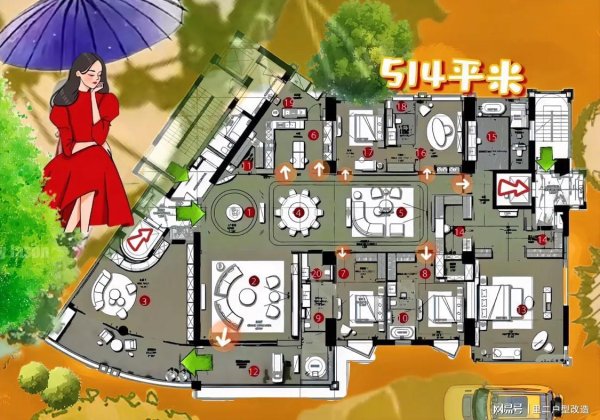

沪深京指数
热点资讯